IRIS shield logo

For Attorneys in Civil Matters Involving Law Enforcement

An independent examination of what the evidence will support.

IRIS is a bench of retired major crimes detectives, forensic scientists, and court-recognized experts. We examine, reconstruct, and testify to the evidence in civil matters involving law enforcement — retained by plaintiffs and by defendants, and in the criminal cases underneath them.

We Can Travel to You, Nationwide

Retained by both sides · Conflicts checked first · Nationwide, U.S. and Canada

300+

Years of combined experience

across the IRIS bench

150+

Times accepted as an expert witness

Suzanna Ryan — forensic DNA and serology

9

Forensic disciplines

available to a single matter

Free

Initial consultation

conflicts cleared before we look at anything

What we do for counsel

Complex case data, turned into something a jury can follow.

IRIS aids legal counsel. We validate findings, strengthen credibility, and build case-specific tools that enhance litigation readiness.

We validate the findings

An independent re-examination of what the file actually supports — the evidence, the analysis, and the conclusions drawn from both. Findings come back in writing, with the methodology documented, whether or not they help your theory.

We convert complex data into persuasive visuals

Timelines, scene reconstructions, spatial and geographic exhibits, and enhanced video and audio — the record made legible to a judge, a mediator, or twelve people who have never read a case file.

We build case-specific tools

Deposition and cross-examination support, evidence inventories, gap analyses, and the exhibits your experts need to explain themselves. Faster preparation, lower cost, stronger representation.

Faster preparation. Lower costs. Stronger representation.

Matters we support

Where a second look at the evidence settles the question.

Most of these records have been investigated once already. A second examination — by specialists with no stake in the outcome — establishes what the evidence does and does not support, which is useful to whichever party is asking.

Use of force & officer-involved shootings

Independent reconstruction of the incident from the physical, video, and documentary record — and a clear account of what the record does and does not establish.

In-custody and jail deaths

Review of the scene response, the documentation produced, and the investigative steps the record shows in the hours that followed.

Wrongful death & duty-of-care claims

Where the claim turns on how a report, a search, or a scene was handled — reviewed by people who ran those operations for a living.

Adequacy of the original investigation

A documented account of what evidence existed, what was collected and tested, which leads the file records, and what remains recoverable today.

Wrongful conviction & post-conviction

Re-examination of biological evidence with current DNA and genetic genealogy methods, plus review of the bench notes, mixture interpretation, and statistics behind the original result.

Missing persons & unresolved deaths

Where a search or a death investigation is itself at issue — search strategy, tracking evidence, and outdoor scene handling, assessed against the conditions and resources on the ground.

Why this team

We spent our careers inside these agencies. That's what makes the review fair.

Thirty-four years in a major crimes unit. Twenty-four years as a bomb commander, SWAT operator, and tactical EMT. Retired homicide detectives, a forensic DNA analyst trained by the FBI to audit laboratories, a geographic profiler whose model is cited in the literature.

We know what a case file contains, what a scene response involves, and what it takes to work one properly with the people and hours a shift actually has. Where a record is complete, we will say so. Where something is missing or unresolved, we can document exactly what and why — with the methodology stated, so the finding holds up when it is tested.
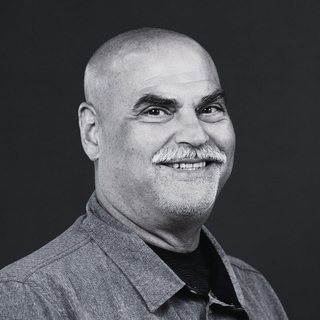
What an independent review produces

  • A documented inventory of what evidence existed and what was collected
  • What was tested, what was not, and what can still be tested today
  • The investigative steps the file records, and any that remain open
  • Video, audio, and imagery restored and reported as usable exhibits
  • Written findings with the methodology stated, ready for disclosure
  • Experts who will testify to their own work under cross-examination

The expert bench

The people who would actually work your matter.

Every claim below comes off a CV we can hand you — including testimony histories, where the work has already been tested on cross. Full backgrounds are on each profile.

How an engagement runs

Four steps, and you know what the evidence will carry.

  1. 1

    Conflicts check, then a scope call

    We clear conflicts before we look at anything — including any current or past agency engagement. Then a short call: the posture, the deadlines, and what you actually need proved.

  2. 2

    File review and written findings

    The specialists the matter needs — and only those — go through the record. You get documented methodology and conclusions in writing, including the ones that don't help.

  3. 3

    Exhibits and litigation tools

    Timelines, reconstructions, enhanced media, and deposition support built from the findings, in the form your case needs them.

  4. 4

    Deposition and trial testimony

    Our experts sit for deposition and testify to their own work, with CVs and testimony histories that have already been tested on cross.

Before you retain anyone

The questions counsel ask us first.

Your team came out of law enforcement, and you train agencies. Does that cut against you in a case involving a police department?

We think it is the reason to retain us, and we say so openly rather than hiding it. Our experts testify to evidence and methodology, not to who should win. A career inside a major crimes unit is what lets someone say precisely what a case file contains, what a scene response involves, and whether the record is complete — and document it so it holds up. The training work cuts the same way: we have no interest in a conclusion the evidence will not carry, in either direction, because we have to stand behind it in front of both audiences.

Do you work for plaintiffs, defendants, or both?

Both, and in criminal matters for prosecution and defense alike. Our DNA expert has provided pre-trial and trial assistance to both sides for years, and IRIS also trains and supports law enforcement agencies. We take a position on what the evidence supports, not on who retained us — which is what makes the opinion worth something when it is challenged.

What do we actually receive?

A written report of findings with the methodology documented, any exhibits or demonstratives the matter calls for, and a current CV and testimony history for each expert who worked it. If we are testifying, you also get our file — built from the start on the assumption that opposing counsel will read every page of it.

Will you tell us if the file doesn't support the theory?

Yes, early, and in plain language. A review that concludes the record will not carry the claim is a real answer, and you should not find that out during a deposition. We would rather lose the engagement than hand you an opinion that will not survive cross-examination.

How quickly can you turn something around?

It depends on the discipline and the volume — a DNA case-file review, a body-worn camera enhancement, and a full investigative reconstruction are different jobs. Tell us the deadline on the scope call and we will tell you honestly whether it is achievable rather than accepting it and finding out later.

Where do you take matters?

Throughout the United States and Canada. IRIS is based in Idaho, but the bench is spread across the U.S. and in Canada and travels to the case. Tell us where the matter is venued.

How is the work billed?

Each engagement is scoped individually after the conflicts check and an initial look at what the matter requires — review, exhibits, testimony, or all three. You get the scope in writing before any work starts.

For Counsel

Send us the record and the question it has to answer.

Tell us the posture, the deadline, and what you need established. We'll clear conflicts, then tell you plainly what this bench can support — and what it can't.

  • Read by an investigator Your inquiry goes to the people who would work the matter, not to a sales desk.
  • Conflicts checked, then confidential We clear conflicts before we look at anything, and engagements under non-disclosure are never discussed.

Prefer to talk it through?

(208) 999-8460

Or email info@irisinvestigativestrategies.com

Your message goes directly to the IRIS team. It is never shared or sold.