



IRIS shield logo

Missing Persons Investigation

When someone is missing, where you look is everything.

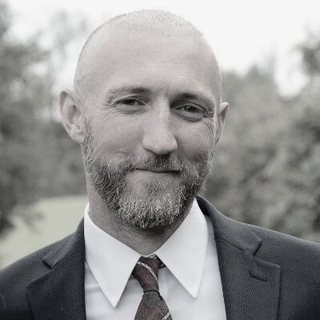
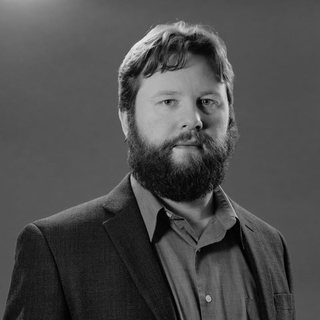
IRIS is a team of retired major crimes detectives, a court-recognized tracking expert, and the geographic profiler who developed the STEG model — investigators who plan a search on evidence. We work with families, law enforcement agencies, and search and rescue teams across the U.S. and Canada.

Funding help may be available for families

Confidential and no obligation · Read by an investigator, not a call center

If someone has just gone missing, report it to local law enforcement first — you don't need to wait 24 hours.

With an agency or a SAR team? How we work with you

Our team’s casework has been featured by

  • Dateline NBC
  • Court TV
  • Investigation Discovery
  • Nancy Grace
  • Sword & Scale
  • Bloodline Detectives

Wherever your search stands

A few days or many years, there is still work to do.

Missing for days or weeks

The first days are when the evidence is freshest.

Footprints, scene conditions, camera footage, and what people remember all fade with time. That is when a search planned on evidence does the most good — alongside the official search, not instead of it.

  • Search strategy built alongside law enforcement and SAR
  • Geographic profiling to prioritize where to look first
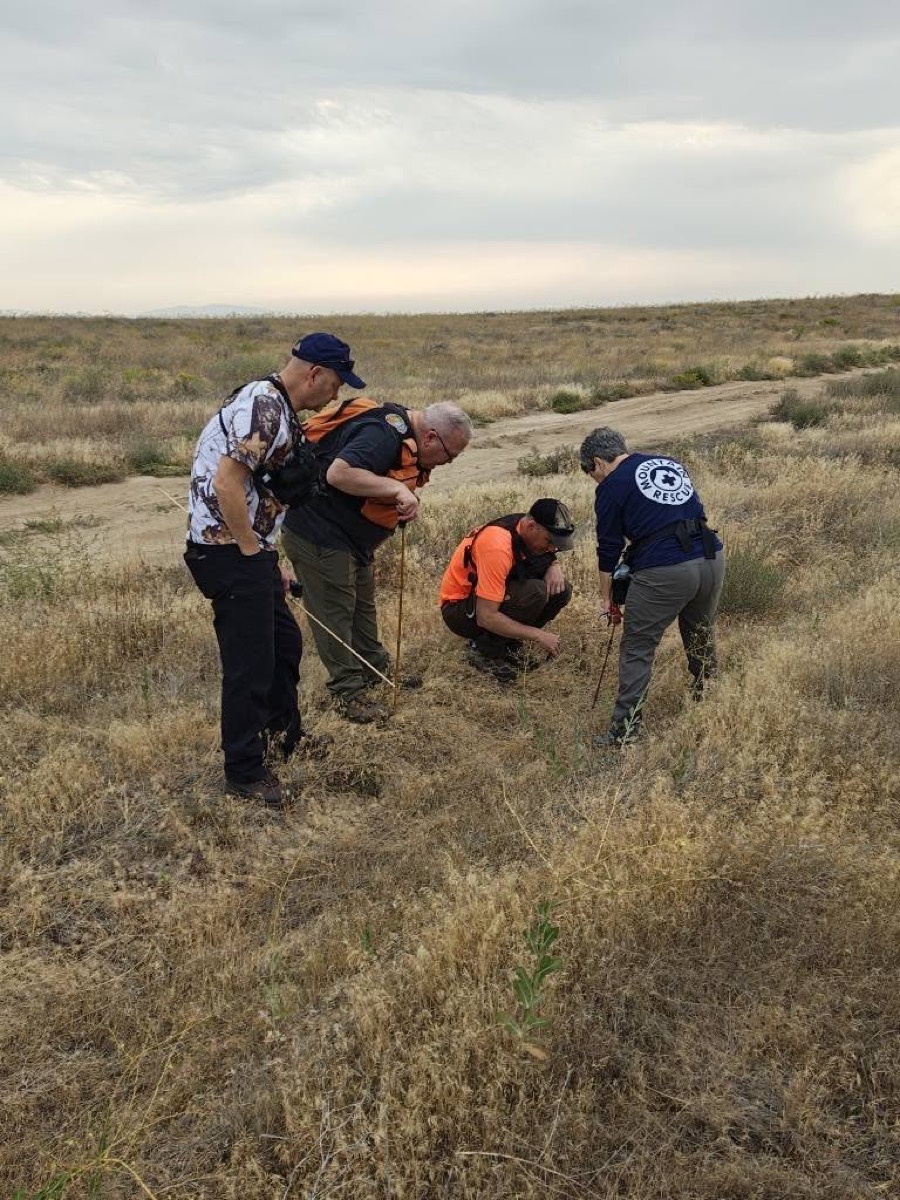
  • Tracking and sign cutting from the last known point
  • Investigation into the days before they disappeared
Missing for months or years

A long silence is not the end of the search.

Cases that have gone quiet can still move — through a fresh review of everything gathered, people who may say more now than they did then, and search areas that were never prioritized.

  • Review of the case and of every search already run
  • Witness re-interviews and new investigative leads
  • Geographic profiling of likely locations, even years on
  • Database entries and family DNA reference samples checked

How we work

Every missing persons case asks two questions: what happened, and where to look.

They are usually answered by different people. Detectives work the first — the last days, the last contacts, the account that doesn't add up. Searchers work the second, out in the field, often with only a last known point to go on.

Our founder spent her career joining the two. She was a Major Crimes detective who also ran search and rescue for the King County Sheriff's Office, and built the SAR crime-scene team that supported Major Crimes.

That is how we work every missing persons case. The investigation tells the search where to look, and what the search finds goes straight back into the investigation.

“What is not looked for will not be found.”

What we bring to the search

  • Investigation Retired major crimes detectives working what happened — the last days, the last contacts, the last known point.
  • Geographic profiling The STEG model prioritizes where to search on spatial, temporal, and environmental evidence.
  • Professional tracking Court-recognized sign cutting that reads the ground for the route a person actually took.
  • Search planning and command Search operations sequenced and documented by people who have commanded them.
  • DNA and identification Forensic DNA expertise for the evidence in the case, and for identification when a case has gone long.

What the investigation involves

We plan the search on the evidence.

Not one investigator working alone. Retired major crimes detectives, a court-recognized tracker, a geographic profiler, and a forensic DNA expert — each working the case through their own discipline.

Start a confidential review
  1. 1

    Everything gathered in one place

    What you know, what the agency is able to share, and what has already been searched and by whom. We rebuild the timeline to the last known point and identify what the case still leaves open.

  2. 2

    The investigation

    The last days, the last contacts, and the people who saw them last. Investigators with decades in major crimes look for what changed, who knew, and where the account doesn't hold.

  3. 3

    Where to look, in order

    Our geographic profiler builds a prioritized search area from the case's spatial and behavioral evidence — where to look first, and why.

  4. 4

    In the field

    Tracking and sign cutting from the last known point, and search operations planned and documented so every area covered is on the record — and anything found holds up as evidence.

  5. 5

    A plan everyone can use

    Written findings and a search plan the family, the agency, and the search teams can act on — coordinated with the people already working the case.

The experience behind it

A career spent finding what is hidden.

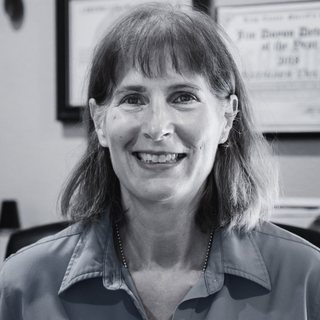
Before she founded IRIS, Kathy Decker spent 34 years with the King County Sheriff's Office — a Major Crimes detective who also ran the county's search and rescue program — and more than two decades as a professional tracker. She has deployed on missing person searches as far as Japan and Peru.

This record comes from her law-enforcement and professional tracking career, not from IRIS engagements. It is the experience we bring to every missing persons case we take on.

Kathy Decker's full background
  1. Since 1998

    Professional tracker and sign cutter with Joel Hardin Professional Tracking Services, certified in the management of tracking operations.

  2. 2003

    Deployed to Peru on a missing person case.

  3. 2004 – 2019

    Recognized by Washington State courts as an expert witness in tracking evidence.

  4. 2006 – 2011

    Search and Rescue Coordinator for the King County Sheriff's Office — directed and trained more than 300 volunteers, and built the SAR crime-scene team that supported Major Crimes.

  5. 2009

    Deployed to Japan on a missing hiker case.

For families

No family should be priced out of the search.

That's why we partner with The Lindsey Baum Foundation — opens in a new tab, a 501(c)(3) that facilitates and funds investigations for families of missing persons and unsolved murders — including expert services such as search and recovery, DNA analysis, and criminal profiling.

Between the Foundation's support and how we scope our own work, we help as many families as we possibly can. Tell us what you're facing before you rule us out.

Tell us about them
The Lindsey Baum Foundation Visit the Lindsey Baum Foundation — opens in a new tab

Our partner

A 501(c)(3) funding expert investigation for families of the missing and the unsolved.

Agencies & search teams

Running the search yourself? We work with you too.

The same bench and the same methods, engaged by the agency that holds the case or the search and rescue team in the field.

For law enforcement

Search strategy for the case on your desk.

Our team spent their careers inside agencies. We work under your direction — a geographic profile to prioritize a search, trackers on the ground, or a full review of a long-term missing persons file. The agency keeps the case and the credit.

  • Geographic profiling for search area prioritization
  • Professional tracking and sign cutting
  • Search operations planning and command
  • Long-term missing persons case review
  • Outdoor scene search and evidence recovery

Contract-ready · UEI ZDSEPLP3CSL5 · CAGE 11VM4

For search & rescue

Searchers ready for a criminal case.

Our founder directed and trained more than 300 search and rescue volunteers for the King County Sheriff's Office, and built programs that integrate SAR with law enforcement across Washington, Idaho, and Montana. We train teams and support searches in the field.

  • Mantracking and sign cutting
  • Geographic profiling and forensic search strategy
  • SAR–law enforcement integration
  • Outdoor crime scene and buried body recovery
  • Support on active searches

Certified in the management of tracking operations (JHPTS)

Before you call

The questions families ask us first.

Someone has just gone missing. Should we call the police first?

Yes. Report it to local law enforcement right away — you do not have to wait 24 hours. We are not a substitute for the official investigation or an emergency search; we work alongside them. Once a report is made, call us, and we can start on what the official search may not have the people or the time to cover.

The police and search teams are already involved. Will hiring you cause problems?

It shouldn't, and we work to make sure it doesn't. Our team spent their careers inside these agencies and running searches with volunteers, and many of the people we train are detectives and SAR members. The goal is to support the official effort, not compete with it — the agency keeps the case, and anything we find goes to the people who can act on it.

What can you do that isn't already being done?

Mostly, two things. Time: a detective carries many cases at once, and we spend our hours on yours. And disciplines most agencies don't keep on staff — geographic profiling to prioritize where to search, and professional tracking to read the ground. We join the investigation and the search so each one informs the other.

They've been missing for years. Is there anything left to do?

Often, yes. People who would not talk then will sometimes talk now, search areas that were never prioritized can still be worked, and a review often finds leads the file leaves open. We also check that your loved one is entered in the national missing persons databases — NamUs in the U.S., and Canada's National Centre for Missing Persons and Unidentified Remains — and that family DNA reference samples are on file, so they can be identified wherever they are found.

Can geographic profiling really narrow a search?

It doesn't point to a spot on a map, and we'll never tell you it does. What it does is rank where to look first, based on the case's evidence — the last known point, routes, terrain, timing, and behavior — so searchers spend their hours in the places most likely to matter. Our profiler developed the model he uses, has published peer-reviewed research on geographic profiling, and his model is highlighted in the second edition of Rossmo's Geographic Profiling.

What does a missing persons investigation cost?

Every case is scoped individually, and you get the scope in writing before any work starts. Cost should not be the reason you don't call: we partner with The Lindsey Baum Foundation, a 501(c)(3) that funds investigations for families of unsolved murders and missing persons, including search and recovery. If cost is the obstacle, tell us when you reach out.

Will you tell me if you can't help?

Yes, and we'd tell you early. A review that concludes there's no viable path forward is a real answer, and you should not pay to find that out slowly. If we don't believe we can move the case, we'll say so.

We're a law enforcement agency or a SAR team. How does working with you look?

We work under your direction, on your case. That can be a single discipline — a geographic profile for a search, trackers in the field — or a full review of a long-term missing persons file. IRIS is registered for government contracting, and we also train agencies and SAR units in tracking, search strategy, and SAR–law enforcement integration.

Do you take cases outside Idaho?

Yes — throughout the United States and Canada. IRIS is based in Idaho, but the team is spread across the U.S. and Canada and travels to the search. Our founder has deployed on missing person searches as far as Japan and Peru. Tell us where they were last seen.

Will anything I tell you stay private?

Yes. Your inquiry is read by an investigator, it isn't shared or sold, and a number of our engagements are covered by non-disclosure agreements and are never discussed at all.

Confidential Missing Persons Review

Tell us who is missing. We'll tell you honestly what's possible.

Who, when, where they were last seen, and what has been done so far. Your inquiry is confidential and carries no obligation — and if we don't believe we can help, we'll say so.

  • Read by an investigator Your note goes to the team that would work the case — not a call center.
  • Completely confidential We don't share, sell, or discuss your inquiry with anyone.
  • Help with the cost may be available Through our partner, The Lindsey Baum Foundation. Ask when you reach out.

Prefer to talk it through?

(208) 999-8460

Or email info@irisinvestigativestrategies.com

Your message goes directly to the IRIS team. It is never shared or sold.