




IRIS shield logo

Cold Case Investigation

An unsolved case is not a closed one.

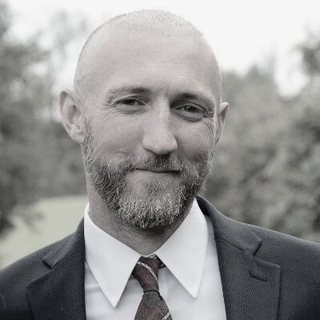
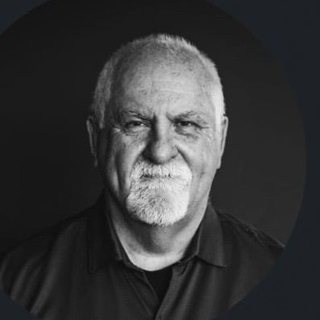
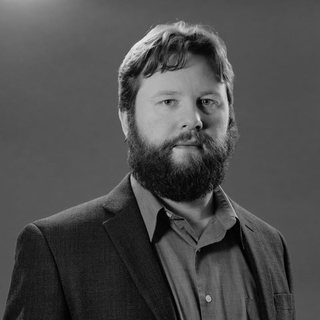
IRIS is a team of retired homicide detectives, forensic DNA and genetic genealogy experts, and specialists who re-open the file with methods the original investigation may not have had. We work with families, law enforcement agencies, and attorneys across the U.S. and Canada.

Funding help may be available for families

Confidential and no obligation · Read by an investigator, not a call center

With an agency or a law firm? How we work with you

Our team’s casework has been featured by

  • Dateline NBC
  • Court TV
  • Investigation Discovery
  • Nancy Grace
  • Sword & Scale
  • Bloodline Detectives

Why cases go cold

Most cold cases didn't stall for lack of effort. They ran out of time, tools, or perspective.

The detective who knew the case best retired or moved on. New cases arrived every week. The evidence was collected and tested with the best science of its day — and the one discipline that might have moved it was never in the room.

Then the calls stopped being returned, and the file never closed. It just went quiet.

That is exactly why so many of these cases can still move. The science has changed. The people have changed. And a team that looks at the whole file again, with every discipline at the table, sees it differently than anyone has before.

“What is not looked for will not be found.”

What has changed since then

  • DNA testing is far more sensitive Samples once too small or too degraded to test may now produce a usable profile.
  • Genetic genealogy can work through relatives A profile that never matched in a database can be traced through family trees toward a name.
  • Video, audio, and photos can be restored Footage too dark to read or recordings too noisy to hear can be enhanced and documented.
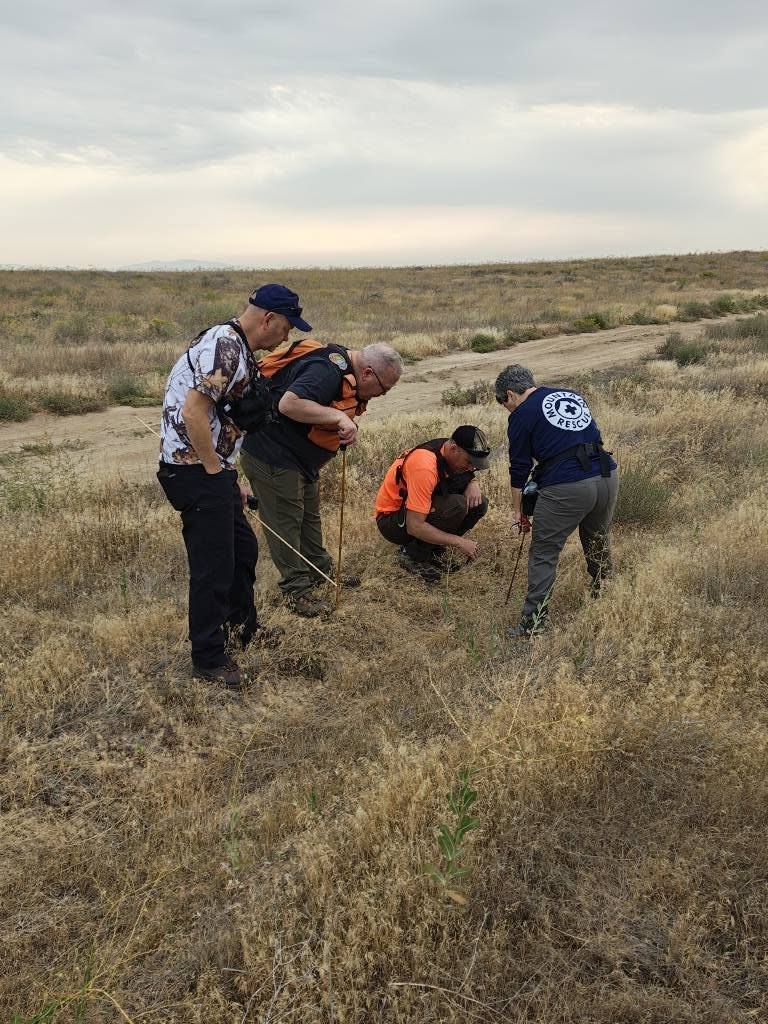
  • Search areas can be narrowed on evidence Geographic profiling prioritizes where to look for remains — including in cases decades old.
  • People change Relationships end and loyalties shift. Someone who would not talk then will sometimes talk now.

What a cold case review involves

We re-open the file with the whole bench.

Not one investigator re-reading the original report. Retired homicide detectives, a forensic DNA expert, a geographic profiler, and a behavioral analyst — each looking at the case through their own discipline.

Start a confidential review
  1. 1

    The whole file, read again

    Every report, photograph, lab result, and interview — read by a bench of specialists rather than one investigator. We rebuild the timeline, inventory the evidence, and identify the leads the file leaves open.

  2. 2

    What the evidence can still tell us

    What was collected, what was tested, and with what. Our forensic DNA expert assesses what the evidence still held can yield today, and the testing strategy most likely to get a result from it.

  3. 3

    DNA and genetic genealogy

    Where a profile exists or can be developed, investigative genetic genealogy can work through relatives toward an identity — the route that solved the Yarborough case after three decades.

  4. 4

    New investigation

    Witness re-interviews, new leads, and the behavioral and geographic analysis the original investigation may never have had access to.

  5. 5

    Findings you can act on

    A clear written report the family, the agency, or an attorney can take forward — including, if it is the honest answer, that the path ahead is narrow.

Proof it can be done

Thirty-two years from cold to convicted.

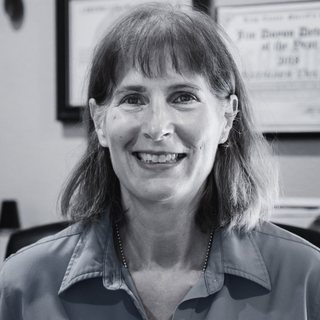
Before she founded IRIS, Kathy Decker was head detective on the Sarah Yarborough investigation with the King County Sheriff's Office. The DNA from the scene matched no one for decades. The case moved because she kept re-examining that evidence as the science caught up.

This case was led during her law-enforcement career, not as an IRIS engagement. It is the experience we bring to every cold case we take on.

The full case record
  1. 1991

    Sarah Yarborough, 16, is murdered on the Federal Way High School campus. Male DNA is recovered from the scene.

  2. The years after

    The profile is submitted to state and national databases without a match, and re-evaluated as the technology advances.

  3. 2011

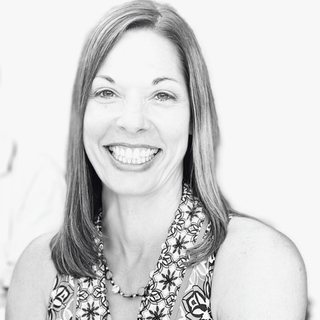
    Forensic genetic genealogy work begins, with Dr. Colleen Fitzpatrick.

  4. 2019

    The genealogy narrows the profile to two brothers. DNA from a discarded cigarette matches the crime-scene profile.

  5. 2023

    Patrick Nicholas is convicted and sentenced — thirty-two years after the murder.

For families

No family should be priced out of an answer.

That's why we partner with The Lindsey Baum Foundation — opens in a new tab, a 501(c)(3) that facilitates and funds investigations for families of unsolved murders and missing persons — including expert services such as search and recovery, DNA analysis, and criminal profiling.

Between the Foundation's support and how we scope our own work, we help as many families as we possibly can. Tell us what you're facing before you rule us out.

Tell us about the case
The Lindsey Baum Foundation Visit the Lindsey Baum Foundation — opens in a new tab

Our partner

A 501(c)(3) funding expert investigation for families of the missing and the unsolved.

Agencies & attorneys

Holding the file yourself? We work cold cases for you too.

The same bench, the same methods, engaged by the agency that owns the case or the counsel who needs the record re-examined.

For law enforcement

A force multiplier for a unit already at capacity.

Our team spent their careers inside agencies. We triage dormant files, assess what the evidence you are holding can still yield, and work the case under your direction. The agency keeps the case and the credit.

  • Case triage and solvability review
  • Forensic DNA case-file review and re-testing strategy
  • Investigative genetic genealogy
  • Geographic profiling for search and remains recovery
  • Cold case review methodology training for investigators

Contract-ready · UEI ZDSEPLP3CSL5 · CAGE 11VM4

For attorneys

An independent look at an old record.

Post-conviction, wrongful conviction, and civil matters often turn on evidence gathered decades ago. We re-examine it with current methods and report what it supports — for whichever side asked.

  • Complete DNA casework review — bench notes, mixtures, statistics
  • Re-examination of biological evidence with current methods
  • Independent investigative review of the original file
  • Written findings with the methodology documented
  • Expert testimony, prosecution and defense alike

DNA expert accepted over 150 times · deposed 25+ times

Before you call

The questions families ask us first.

The case is decades old. Is it too late?

Age alone doesn't close a case. The Sarah Yarborough investigation was resolved thirty-two years after the murder, because evidence collected in 1991 was re-examined as the science caught up. What matters is what evidence still exists and whether it has been re-worked with current methods — that is the first thing a review establishes.

Can DNA evidence still be tested after this long?

Often, depending on how it was collected and how it has been stored. Evidence that produced nothing years ago may yield a profile with today's testing, and a profile that never matched a database can now be worked through genetic genealogy. Our forensic DNA expert assesses what is realistically possible before anything is tested — and we will tell you plainly if the answer is no.

The police still have the case. Will hiring you cause problems with them?

It shouldn't, and we work to make sure it doesn't. Our team spent their careers inside these agencies, and many of the people we train and support are detectives. The goal is to support the official investigation, not compete with it — the agency keeps the case, and anything we find goes to the people who can act on it.

Will the police give you the case file?

Not always, and not always right away — an open file belongs to the agency, and it may not be able to release it. Families usually hold more than they realize: letters, notes, names, news coverage, and their own memory of what happened. We start with what you have, and where the agency is willing, we work with the detectives directly.

What does a cold case review cost?

Every case is scoped individually, and you get the scope in writing before any work starts. Cost should not be the reason you don't call: we partner with The Lindsey Baum Foundation, a 501(c)(3) that funds investigations for families of unsolved murders and missing persons. If cost is the obstacle, tell us when you reach out.

Will you tell me if you can't help?

Yes, and we'd tell you early. A review that concludes there's no viable path forward is a real answer, and you should not pay to find that out slowly. If we don't believe we can move the case, we'll say so.

We're a law enforcement agency. How does working with you look?

We work under your direction, on your case, and the agency keeps the case and the credit. That can be a single discipline — a DNA case-file review, a geographic profile for a remains search — or a full review of a dormant file. IRIS is registered for government contracting, and we also teach cold case review methodology to investigators.

Do you take cases outside Idaho?

Yes — throughout the United States and Canada. IRIS is based in Idaho, but the team is spread across the U.S. and Canada and travels to the case. Tell us where it happened.

Will anything I tell you stay private?

Yes. Your inquiry is read by an investigator, it isn't shared or sold, and a number of our engagements are covered by non-disclosure agreements and are never discussed at all.

Confidential Cold Case Review

Tell us about the case. We'll tell you honestly what's possible.

Who, when, where, and where the case stands now. Your inquiry is confidential and carries no obligation — and if we don't believe we can move it, we'll say so.

  • Read by an investigator Your note goes to the team that would work the case — not a call center.
  • Completely confidential We don't share, sell, or discuss your inquiry with anyone.
  • Help with the cost may be available Through our partner, The Lindsey Baum Foundation. Ask when you reach out.

Prefer to talk it through?

(208) 999-8460

Or email info@irisinvestigativestrategies.com

Your message goes directly to the IRIS team. It is never shared or sold.