IRIS shield logo

Tribal Law Enforcement & First Responder Training

Train your officers to read the ground they patrol.

IRIS delivers visual tracking, search, death investigation, and cold case training to tribal police departments, BIA and tribal public safety programs, search teams, and first responders — on your land, adapted to your terrain and your caseload.

Delivered on site, nationwide · Instructors with operational backgrounds

Delivered

On site, nationwide

Registered

UEI ZDSEPLP3CSL5

CAGE

11VM4

Training NAICS

611430

Why this training

The ground holds the record for about a day.

A person walks off a road on tribal land and the search area is measured in townships, not blocks. The nearest crime lab is hours away. The officers who respond are the same officers holding down patrol, and the weather is already working on the only evidence that exists.

Tribal communities carry a heavy share of the country's missing and unresolved cases, across country that no database can search for you. The capability that changes those first hours — reading sign, narrowing a search area on evidence rather than instinct, protecting an outdoor scene, working a death scene correctly the first time — is not equipment. It is training, and it can be taught to the people already standing there.

That is the whole point of this work. We would rather your department never needed to hire an investigator, because your own officers could do it.

“What is not looked for will not be found.”

IRIS — Investigative Strategies

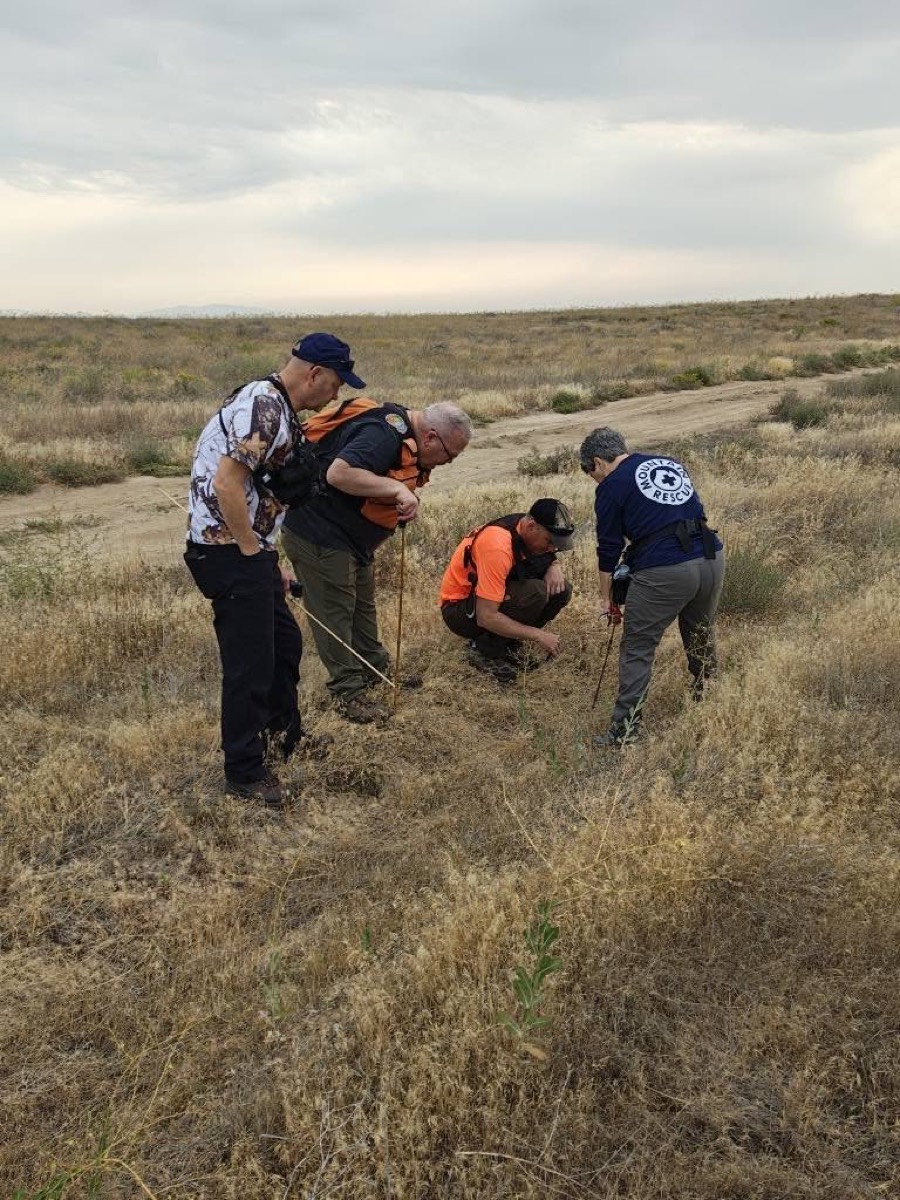
An IRIS training class in the field
Classroom in the morning, ground under your boots by the afternoon.

Courses

Taught by people who did the work before they taught it.

Six courses we deliver most often. Every one of them is a starting point — the syllabus is adapted to what your unit needs before it is ever scheduled.

2 days · classroom + field

Visual Tracking for the Law Enforcement Professional

Reading the ground for the record a person left crossing it — the discipline behind evidence searches, fleeing-suspect pursuits, and missing person operations. Every instructor is a professionally trained visual tracker trained by Joel Hardin Professional Tracking Services.

Course outline

Day one

  • Classroom presentation on visual tracking, with visual examples of “sign” evidence
  • Demonstration of proper team alignment and use of the tracking stick
  • Afternoon in the field: teams of three working sign under instructor direction
  • End-of-day debrief

Day two

  • Review and preparation for the day's field problem
  • Tracking problems built to mirror real criminal and missing person investigations
  • Property crime · vehicle approach · crimes against persons · missing persons
  • Indoor scenes vs. outdoor scenes · evidence search
  • End-of-day debrief

3 days · approx. 20–26 training hours

Thinking Ahead of the Trail

The journeyman course for trackers who already work sign: how to get ahead of the subject instead of following them. Operational mapping, spatial-temporal analysis, subject behavior, environmental analysis, and geographic analysis, then two full days on a live search problem.

Course outline

Day one

  • Classroom: operational mapping, spatial-temporal analysis, subject behavior
  • Environmental and geographic analysis
  • Field: journeyman-level “eyes on sign” exercise
  • Open evening for discussion and case presentations

Day two

  • Classroom briefing and team assignments
  • All teams in the field working the search problem
  • Open evening for discussion and case presentations

Day three

  • Teams back in the field to close out the problem
  • Debrief and presentation of findings
  • In-depth discussion: what worked, what changed, and how it changed

1 day · 0800–1700

Infant Death Investigation for the First Responder

The call that arrives before anyone senior does. Immediate scene assessment, the caregiver interview, and the investigative tools a first responder needs in the first hour — taught for the people who are actually there for it.

Course outline

Topics

  • Immediate scene assessment
  • The caregiver interview
  • Investigator tools for the first responder

Scoped to your agency

Outdoor Crime Scene & Buried Body Recovery

How to search, document, and excavate an outdoor scene without destroying what is in the ground. Developed across three decades of large-scale evidence searches and previously taught for county medical examiner and sheriff's offices.

Scoped to your agency

Cold Case Review Methodology

How to triage a dormant file, identify what modern forensics can still yield from the evidence you are holding, and build a review that produces leads instead of a re-reading of the original report.

Scoped to your agency

SAR & Law Enforcement Integration

Making volunteer search resources genuinely useful to a criminal investigation — command structure, evidence discipline, and the handoffs that decide whether a search helps the case or complicates it. Built and taught across Washington, Idaho, and Montana.

Instructors reserve the right to alter a curriculum for weather or other training considerations.

How we work with agencies

Every course we teach is built to be changed.

We are not shipping you a syllabus. Tell us the gap and we will scope the class around your people, your ground, and the cases that keep coming back.

Your terrain

Field problems run on ground you provide, so your officers train on the country they actually patrol — desert, canyon, timber, river bottom, or the edge of town.

Your caseload

Tracking problems are chosen from the case types your department carries. Tell us what keeps coming back and we build the exercise around it.

Your schedule

Multi-day, split across shifts, or run over a weekend. We travel to you, so the class is built around your coverage rather than the other way round.

One department or the whole region

A single unit, or a combined session with neighboring tribal, county, state, and SAR resources — the people who will be standing next to you on the real one.

See the discipline

Before you book a class, watch what it teaches.

Our founder and our geographic profiler walking through the same material the courses are built on — tracking evidence, and the spatial analysis that gets a team ahead of it.

1:06:04

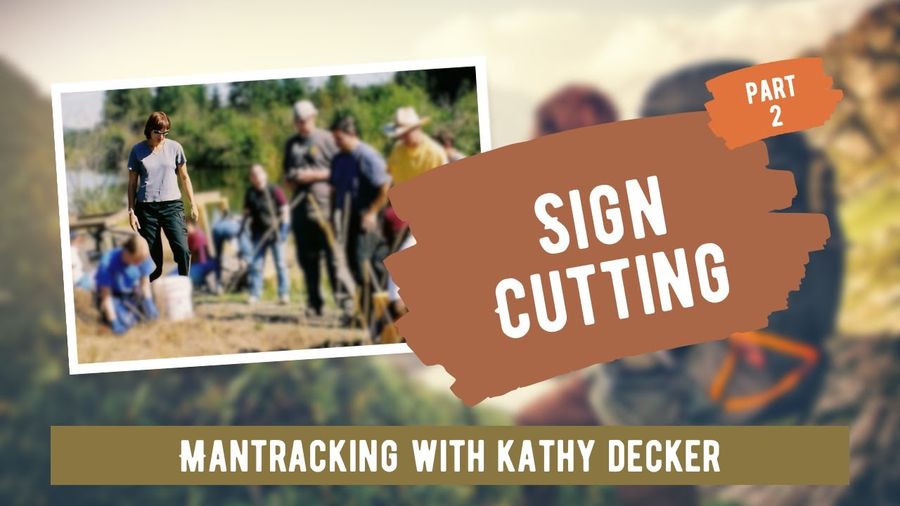
Sign Cutting: How A Detective Tracked a Killer's Every Move in the Woods

STS True Crime Talk · Part 2

What the two-day course teaches, explained on the record: how tracking evidence is read, documented, and defended in court.

41:06

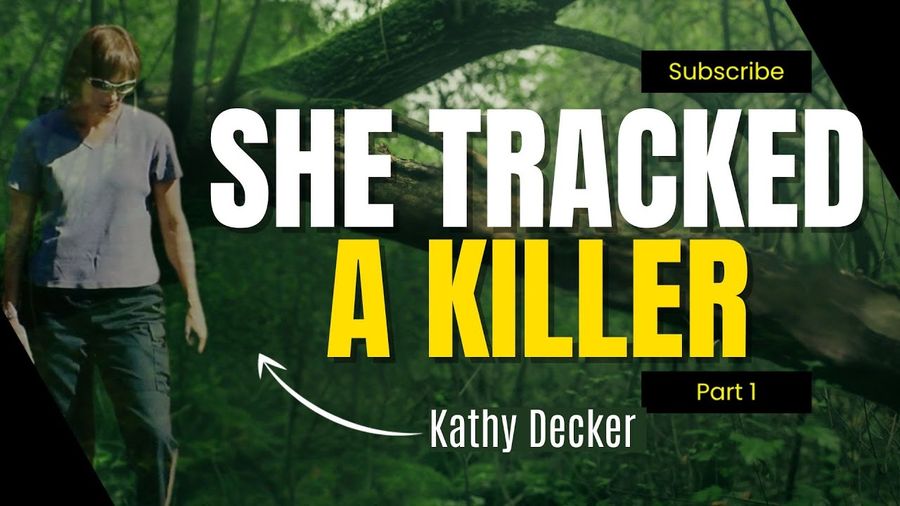
Tracking Suspects and the Science of Geographic Profiling

STS True Crime Talk · Part 1, with Douglas MacGregor

The classroom half of Thinking Ahead of the Trail — how spatial analysis and field tracking work together to narrow a search.

Recent

Past performance

  • 2026 Infant Death Investigator Training for the first responder — Swinomish Casino & Lodge, Anacortes, WA
  • 2025 Hosted Mantracker Training
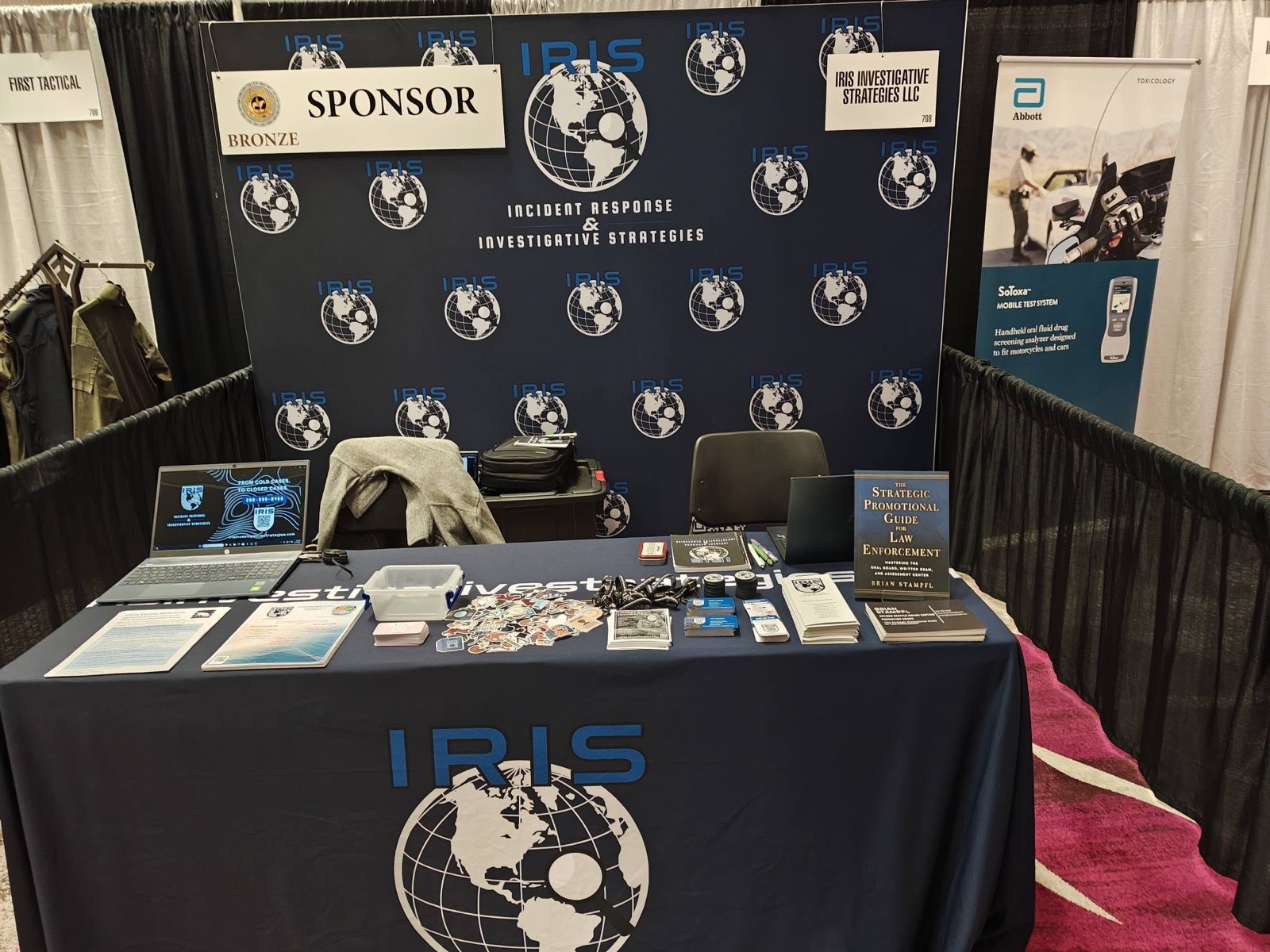
  • 2025 Hosted the South Sound Cold Case Symposium
IRIS at the South Sound Cold Case Symposium
The IRIS booth at the South Sound Cold Case Symposium, 2025.

Before you call

What training officers ask us first.

Will you come to us?

Yes. Every course on this page is delivered on site, nationwide — including Arizona, New Mexico, and the wider Southwest. Traveling to you is the point: the field problems are worth far more when they run on the ground your officers actually work.

What does a course cost?

It depends on the course, the class size, and what it takes to get instructors to you — which is why there is no price on this page. Tell us where you are, roughly how many people you want trained, and what you need them to be able to do, and we will put a written number in front of you.

How many officers can we put through at once?

Field tracking runs in teams of three under instructor supervision, so class size and instructor count move together. Give us your numbers and we will tell you what staffing it takes to keep the ratio right rather than quietly overloading the class.

Do the training hours count toward certification?

We supply a documented course outline and the training hours delivered, in writing, for each attendee. We are not a certifying body — if you need the hours approved through your state POST, your tribal commission, or BIA, tell us early and we will provide your training officer with whatever the submission requires.

Can the course be changed to fit our agency?

That is the normal case, not the exception. Every course we teach is adaptable to agency needs — the syllabus above is a starting point, and instructors routinely alter the plan for weather, terrain, and what a class turns out to need. Tell us the gap and we will build toward it.

Do you only teach, or can you work a case with us?

Both. IRIS provides investigative support to law enforcement, government, and tribal entities as well as training — cold case review, forensic DNA, geographic profiling, tracking, and digital evidence. Many agencies start with a course and call back about a file.

Who is actually teaching?

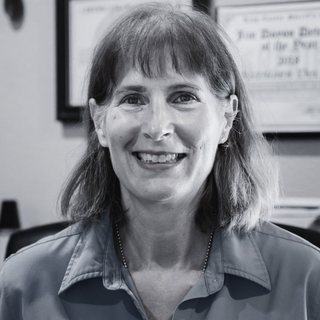
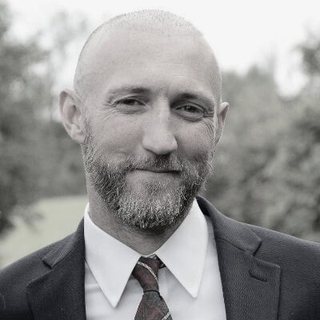
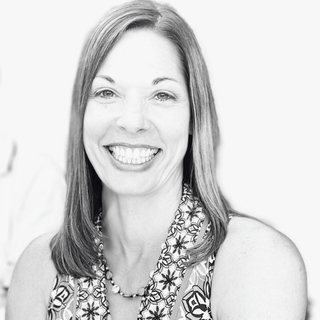
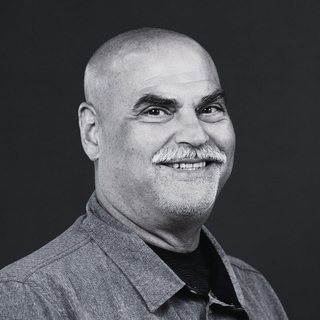
Practitioners with operational backgrounds — retired major crimes detectives, professional trackers trained by Joel Hardin Professional Tracking Services, a forensic DNA expert with more than 27 years in the discipline, and a geographic profiler who developed the model he teaches. Not a training company that hires contractors.

Training Inquiry

Tell us what your officers need to be able to do.

Send us the department, the terrain, and the gap. We'll come back with a scoped course — format, duration, instructor count, and what it takes to run it where you are.

  • Adapted to your agency Courses are built around your caseload and your ground rather than delivered off a fixed syllabus.
  • One department or a regional session We deliver for a single unit or a combined group — tribal, county, state, SAR, and first responders in the same class.

Prefer to talk it through?

(208) 999-8460

Or email info@irisinvestigativestrategies.com

Your message goes directly to the IRIS team. It is never shared or sold.